

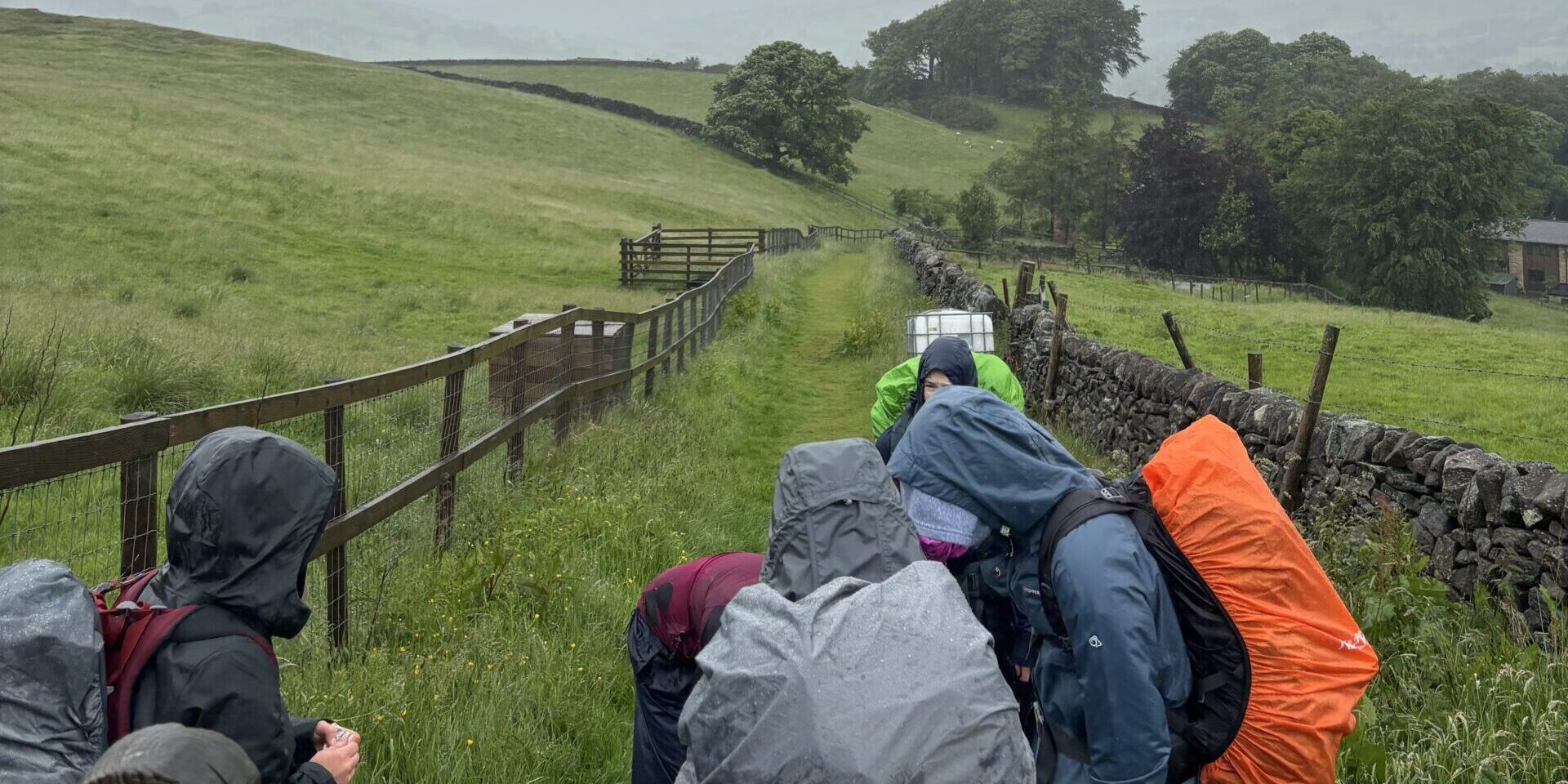
Cold weather, muddy paths and the occasional bit of rain are all part of the adventure! Just because summer is over doesn’t mean it’s time to stay indoors.
Autumn and winter are brilliant times to get outside, whether you’re heading off on a school residential, taking part in outdoor activities or getting ready for your Duke of Edinburgh’s Award (DofE) expedition.
But when the temperature drops, being prepared makes a big difference. Having the right clothing, footwear and equipment will help you stay comfortable, enjoy the activities and make the most of your time outdoors.
So, before you head off on your next adventure with No Limits, here’s everything you need to know!
1.Layers are your best friend
Ever started a walk feeling freezing, only to get really warm halfway up a hill? That’s where layers come in!
Instead of wearing one massive coat, it’s better to wear a few layers that you can add or take off throughout the day.
Here’s how it works:
- Base layer: This is the layer next to your skin. Choose something comfortable that helps move sweat away from your body. Sports tops or thermal layers are good options. Try to avoid cotton in cold conditions, as it can stay damp and make you feel colder.
- Mid layer: A fleece or warm jumper helps keep the heat in.
- Outer layer: A waterproof and windproof jacket helps protect you from rain and chilly winds.
The best bit? You can adjust your layers depending on what you’re doing. You might need an extra jumper while listening to instructions but want to take a layer off once you get moving.
And even if the forecast looks sunny, always pack something warm. The weather can change quickly, especially out in the hills!
2. Look after your feet
Wet socks, cold toes and uncomfortable boots? Not exactly the recipe for a great day out!
Your feet do a lot of work on outdoor adventures, so it’s worth making sure they’re ready for the challenge.
Before your trip:
- Check that your walking boots or shoes fit properly.
- Make sure they have a good grip for muddy or uneven paths.
- Wear comfortable walking socks.
- Pack a spare pair of socks, especially for longer days or overnight trips.
- Avoid wearing brand-new boots for the first time on a long walk.
If you’re taking part in climbing, canoeing or another specialist activity, check what footwear you’ll need beforehand. Different activities have different requirements.
3. What should you pack?
Packing for an outdoor adventure can feel like a lot but getting organised beforehand means one less thing to worry about when you arrive.
The weather might look fine when you leave home, but that doesn’t mean it’ll stay that way all day. Rain, wind and falling temperatures can catch you out, so it’s always worth being prepared.
Your cold-weather kit checklist
Before you head off on your adventure, make sure you’ve packed:
☐ Waterproof jacket and trousers
☐ Warm fleece or jumper
☐ Hat and gloves
☐ Suitable walking boots or activity footwear
☐ Spare socks
☐ An extra warm layer
☐ Comfortable rucksack
☐ Reusable water bottle
☐ Packed lunch and snacks
☐ Any additional equipment on your trip’s kit list
Top tip: Get your kit together the night before. It’s much better to discover you’re missing your gloves at home than when you’re halfway up a hill!
For more information about preparing for colder conditions, take a look at the DofE Expedition Kit Guide.
4. Don’t forget to drink and eat
When it’s cold outside, you might not feel as thirsty as you do in summer. But you’re still using energy, especially when walking, climbing or taking part in outdoor challenges.
Make sure you bring a water bottle and drink regularly throughout the day.
Snacks are important, too! A cereal bar, piece of fruit or another easy-to-carry snack can give you a helpful energy boost between meals.
Before you leave, check what food you need to bring and follow any instructions from your teacher or activity provider.
5. Stay warm when you stop
You might feel lovely and warm while walking, but as soon as you stop for lunch or listen to instructions, you can start to feel chilly.
Here’s how to stay comfortable:
- Put an extra layer on before you start feeling cold.
- Keep your waterproofs somewhere easy to reach.
- Bring spare socks and an extra warm layer.
- Find somewhere sheltered for breaks where possible.
- Let your teacher or instructor know if you’re getting too cold or your clothes are wet.
It’s important to look out for your friends, too. If someone is shivering a lot, seems unusually tired or confused, or is struggling to coordinate their movements, tell an instructor straight away.
Being outdoors is all about enjoying the challenge but looking after yourself and your group always comes first.
6. Make the most of the adventure
Autumn and winter bring a whole new feel to outdoor activities. Think colourful woodland walks, muddy trails, frosty mornings and challenges that get you working together as a team.
You might find yourself navigating a route, building your confidence on an activity or learning how to work together when things don’t go exactly to plan.
If you’re taking part in your DofE Award, being prepared is especially important. Knowing how to manage your kit, adjust your layers and look after yourself and your team are useful skills to develop.
You can find out more about what’s involved in the expedition section on the official DofE website.
Remember, the aim isn’t to have perfect weather. It’s to be ready for the conditions, give things a go and enjoy the experience.
7. Check the forecast before you go
It’s always worth checking the weather before your trip. Knowing whether to expect rain, strong winds or colder temperatures can help you decide what to pack.
You can check the latest conditions using the Met Office weather forecast.
But don’t worry if the forecast changes. Your teachers and instructors will help make sure the plans are suitable for the conditions, and sometimes the best adventures are the ones where you have to adapt!
Ready to get outdoors?
The most important thing to remember is that being prepared helps you get more out of your adventure.
Pack the right kit, wear suitable clothing, bring plenty of water and snacks, and speak up if you need help. That way, you can spend less time worrying about the weather and more time enjoying the experience.
At No Limits, we run outdoor adventure programmes and DofE expeditions that give young people the chance to try new activities, build confidence and develop skills along the way.
Whether you’re heading off on your first school residential or preparing for a DofE expedition, we hope these tips help you feel ready for whatever the weather brings.
Now grab your waterproofs, check your kit and get ready for your next adventure!