
How to Prepare for Your DofE Award: The Complete Guide for Students, Parents and Schools
Taking part in the Duke of Edinburgh (DofE) Award is an exciting challenge that helps young people develop confidence, resilience and lifelong skills. Whether you’re preparing for your Bronze, Silver or Gold Award, a little planning can make a huge difference.
At No Limits, we’ve supported thousands of young people through their DofE journeys, from expedition training and practice weekends to qualifying expeditions across the UK. Here’s our complete guide to preparing for every aspect of your DofE Award.
Understand What’s Involved
The DofE Award isn’t just about completing an expedition. Participants work through a number of sections designed to develop different skills and experiences.
- Bronze: Volunteering, Physical, Skills and Expedition
- Silver: Volunteering, Physical, Skills and Expedition
- Gold: Volunteering, Physical, Skills, Expedition and Residential
Each section has its own timescale and requirements, so it’s worth understanding what’s expected before you begin. To find out more about timescales have a look at the Duke of Edinburgh Award Website.
Choose Activities You’ll Enjoy
One of the biggest factors in successfully completing your DofE Award is choosing activities that genuinely interest you.
Volunteering
Volunteering is an opportunity to give back to your local community while developing valuable life skills. Popular options include:
- Coaching a sports team
- Supporting Scouts or Guides
- Helping in a charity shop
- Community litter picks
- Food banks
- Conservation projects
- Assisting younger pupils at school
- Animal rescue centres
Choose something you can commit to regularly and that you’ll enjoy throughout the required period.
Physical
Your Physical section should challenge you while keeping you motivated.
Some popular activities include:
- Running
- Swimming
- Football or rugby
- Gym training
- Climbing
- Dance
- Martial arts
- Cycling
- Horse riding
- Yoga
If your expedition is approaching, regular walking is one of the best ways to prepare.
Skills
The Skills section is your chance to learn something new or improve an existing talent.
Ideas include:
- Photography
- Cooking
- Coding
- Learning a musical instrument
- Drawing or painting
- Sign language
- Creative writing
- Baking
- DIY
- Learning a language
The key is consistency rather than perfection.
Prepare for Your DofE Expedition
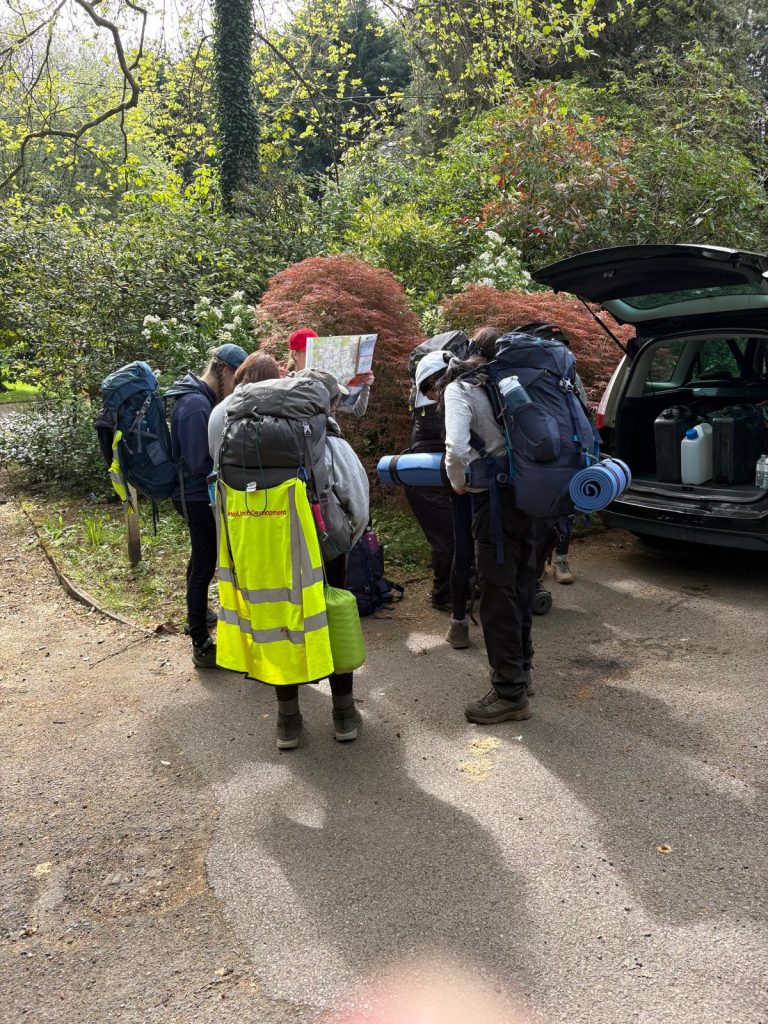
For many participants, the expedition is the highlight of the Award. It’s also the part that requires the most preparation. There are some great Expedition kit resources on the DofE website.
Build Your Fitness
Start training several weeks before your expedition.
Aim to:
- Walk regularly
- Increase your distance gradually
- Include hills where possible
- Carry your expedition rucksack during practice walks
This helps prepare your body for consecutive days of walking.
Break In Your Walking Boots
One of the most common expedition mistakes is wearing brand-new boots.
Instead:
- Wear them on shorter walks first
- Gradually increase the distance
- Pair them with quality walking socks
- Address any rubbing before it becomes a blister
Your feet will thank you later.
Practice With Your Rucksack
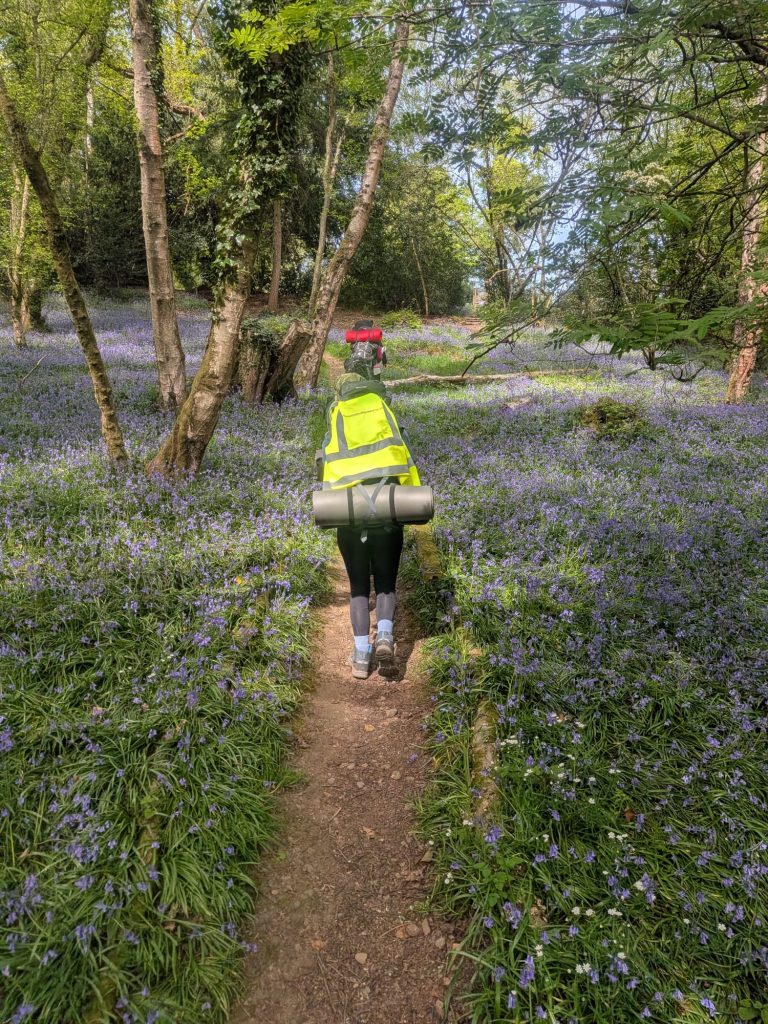
A fully packed expedition rucksack can feel surprisingly heavy.
Before your expedition, practice carrying:
- Clothing
- Water
- Sleeping bag
- Food
- Camping equipment
Learn how to adjust your shoulder straps and hip belt properly so the weight is distributed comfortably.
Learn Navigation Skills
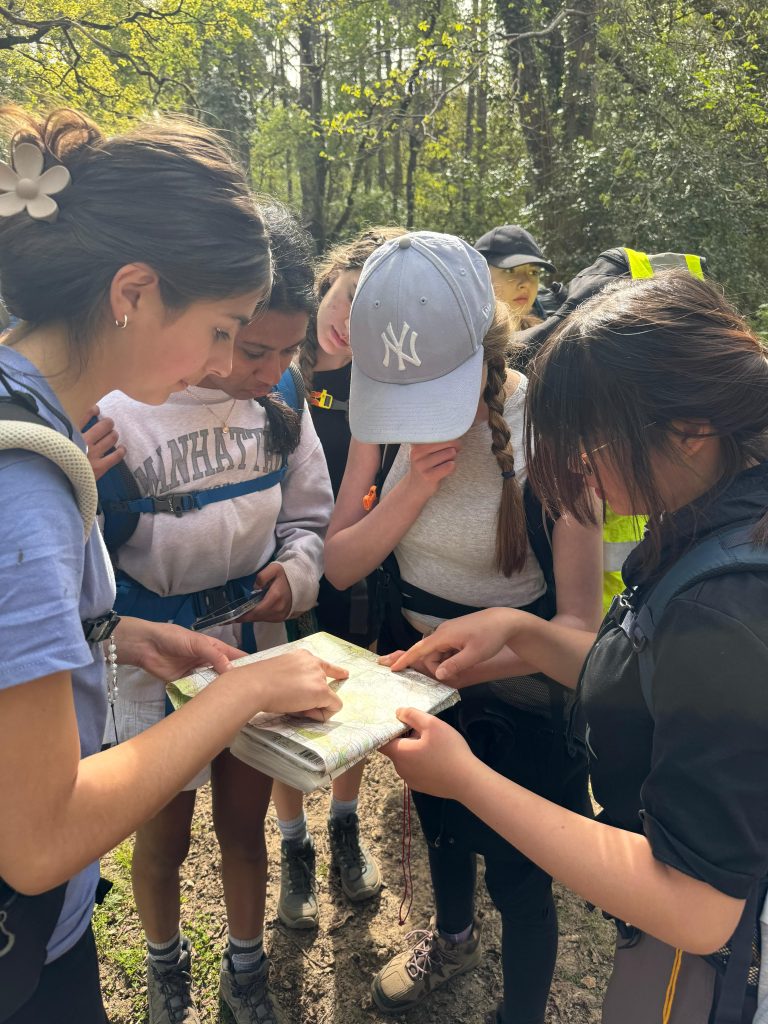
Navigation is a core part of every DofE expedition.
You’ll typically learn how to:
- Read an Ordnance Survey map
- Use a compass
- Understand contour lines
- Take bearings
- Use grid references
- Estimate timings and distances
- Plan safe walking routes
These are practical skills that build confidence and independence long after your DofE Award is complete.
Practice Camping
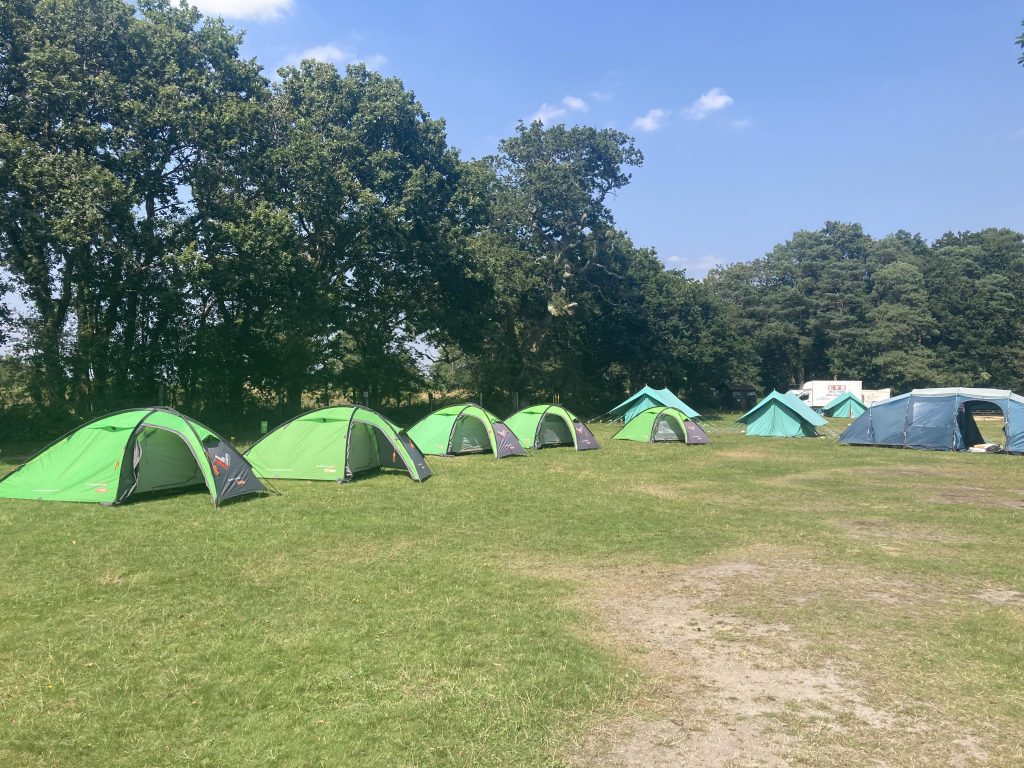
If you’ve never camped before, spend some time learning the basics.
Useful skills include:
- Pitching a tent
- Packing equipment efficiently
- Cooking safely outdoors
- Keeping your campsite organised
- Following Leave No Trace principles
Being comfortable around camp makes the whole expedition far more enjoyable.
Prepare Your Expedition Meals
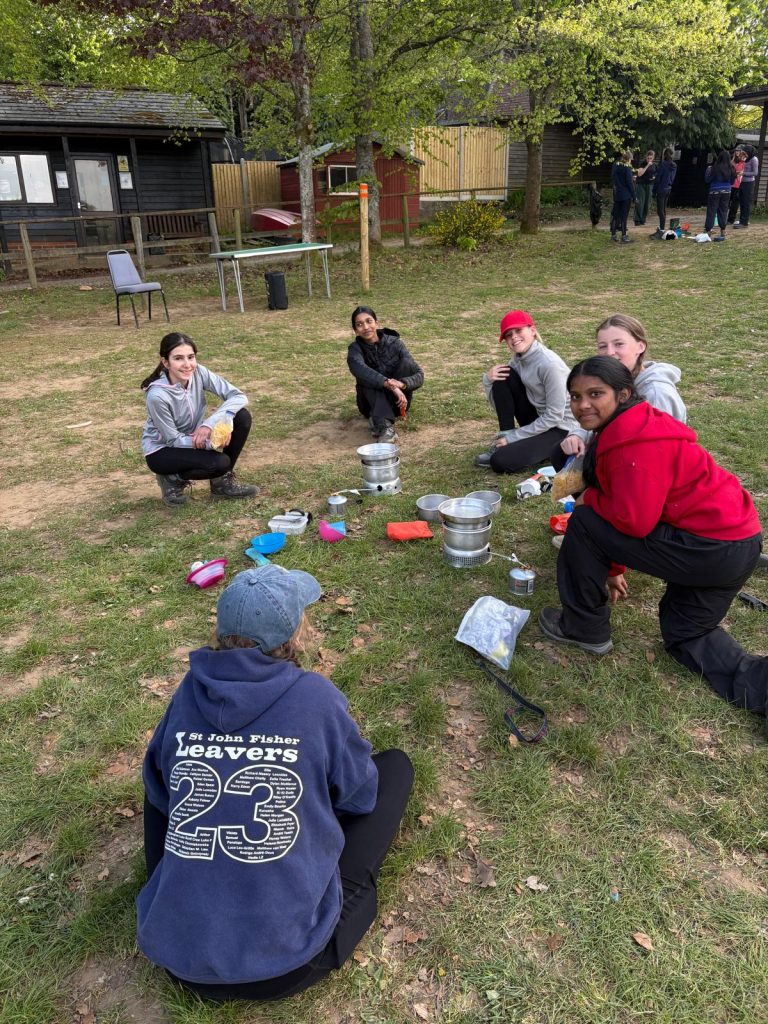
Outdoor cooking doesn’t need to be complicated.
Simple meal ideas include:
- Pasta
- Couscous
- Instant noodles
- Rice dishes
- Porridge
- Hot chocolate
practice using your stove beforehand so you know how much fuel you’ll need and how to cook safely.
Pack Smart, Not Heavy
Packing correctly can make a huge difference to your expedition experience.
Your kit list will usually include:
- Walking boots
- Waterproof jacket and trousers
- Walking socks
- Warm layers
- Spare clothing
- Hat and gloves (season dependent)
- Sleeping bag
- Sleeping mat
- Water bottles
- Head torch
- Compass
- Plate, mug and cutlery
- Personal first aid kit
- Food
Pack heavier items close to your back and avoid taking unnecessary extras.
Learn Basic First Aid
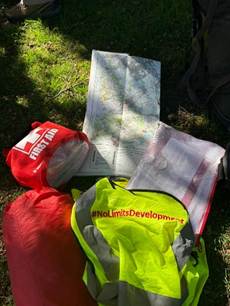
Knowing how to manage small problems can prevent them becoming bigger issues.
Learn how to deal with:
- Blisters
- Minor cuts
- Sprains
- Heat exhaustion
- Dehydration
- Hypothermia
These are all valuable outdoor skills that can be used beyond your DofE expedition.
Stay Fuelled and Hydrated
Walking all day uses plenty of energy.
Bring:
- High-energy snacks
- Plenty of drinking water
- Balanced meals
- Electrolytes if recommended
Most importantly, don’t wait until you’re thirsty before drinking.
Develop Teamwork Skills
A successful DofE expedition relies on good teamwork.
You’ll learn to:
- Communicate effectively
- Support your teammates
- Share responsibilities
- Solve problems together
- Encourage each other through challenges
Often, it’s these shared experiences that become the most memorable part of the expedition.
Stay Organised
Throughout your Award:
- Record your progress regularly
- Keep evidence up to date
- Ask assessors to complete reports promptly
- Keep track of deadlines
A little organisation saves a lot of stress later.
Build Resilience
Not every expedition goes exactly to plan.
You might experience:
- Wet weather
- Tired legs
- Wrong turns
- Heavy rucksacks
- Long days
Learning how to overcome these challenges is exactly what the DofE Award is designed to develop.
Final Checks Before You Leave
The night before your expedition:
- Check your kit list
- Charge your phone (if permitted)
- Fill your water bottles
- Prepare your lunch and snacks
- Check the weather forecast
- Get plenty of sleep
- Eat a good breakfast
Starting well prepared means you can focus on enjoying the experience.
Common DofE Mistakes to Avoid
- Wearing brand-new boots
- over-packing your rucksack
- Forgetting waterproof clothing
- Not practicing navigation
- Leaving Award evidence until the last minute
- Not training with a loaded rucksack
- Choosing activities you don’t enjoy
- Not drinking enough water
Ready to Start Your DofE Adventure?
At No Limits, we believe every young person deserves an unforgettable DofE experience. From expert expedition training and experienced instructors to carefully planned routes and supportive delivery, we’re proud to help schools and students develop confidence, resilience and a lifelong love of the outdoors.
If your school is looking for a trusted DofE Approved Activity Provider or would like support delivering Bronze, Silver or Gold expeditions, we’d love to help.
Get in touch with the No Limits team to find out how we can support your next Duke of Edinburgh Award adventure.
Frequently Asked Questions
How do I prepare for a DofE expedition?
Prepare by building your fitness, breaking in your walking boots, practicing navigation, learning basic camping skills and packing the correct equipment.
What should I pack for a DofE expedition?
You’ll need walking boots, waterproof clothing, warm layers, food, water, camping equipment, a sleeping bag, map, compass and other essentials listed by your expedition provider.
How fit do you need to be for DofE?
You don’t need to be an athlete, but regular walking, especially with a loaded rucksack, will make your expedition much more enjoyable.
How long should I train before my DofE expedition?
Aim to start training at least six to eight weeks before your practice or qualifying expedition, gradually increasing distance and terrain.
What makes a successful DofE expedition?
Preparation, teamwork, good navigation, the right equipment, a positive attitude and learning from challenges all contribute to a successful DofE expedition.